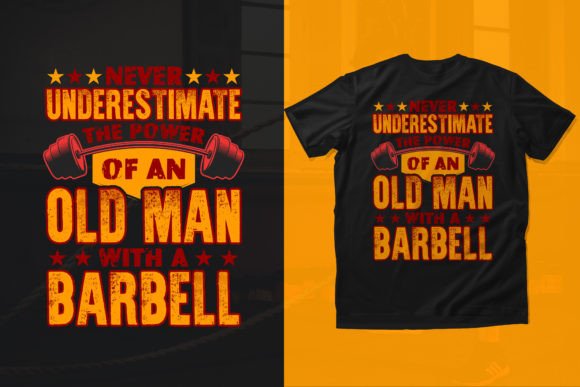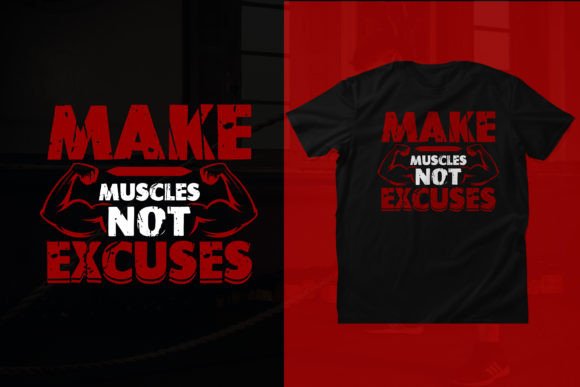
Designing for Impact: A Comprehensive Look at Gym and Fitness Tshirt Design, Best Gym Options
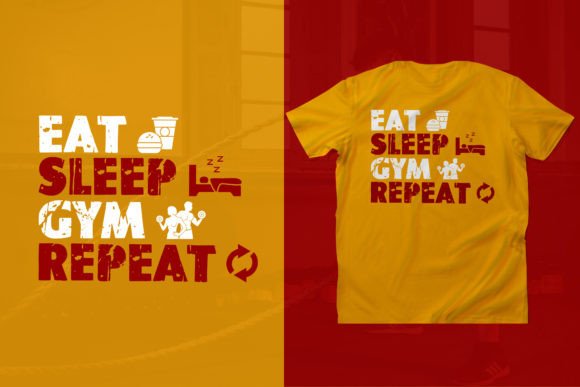
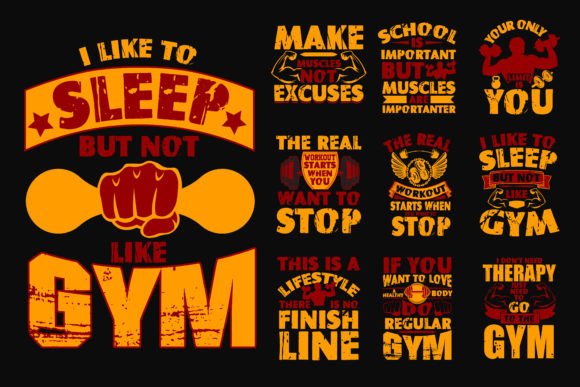
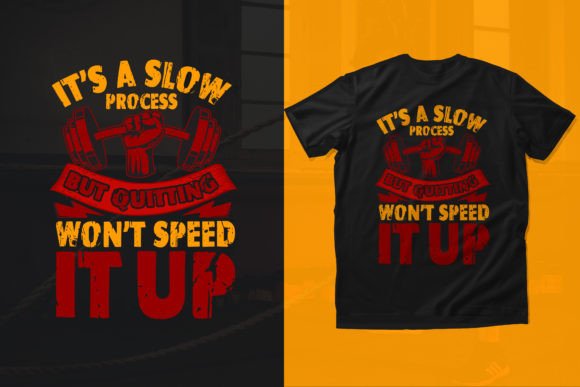
The fitness apparel market is saturated. From high-performance activewear brands to boutique studios selling branded merchandise, the demand for gym t-shirts has never been higher. However, standing out in this crowded space requires more than just a generic logo or a standard motivational quote. It demands a strategic approach to visual design that resonates with the specific aesthetic of the wearer while remaining versatile enough for various production methods. This is where specialized digital assets, such as those categorized under Gym and Fitness Tshirt Design, Best Gym, become critical tools for entrepreneurs, designers, and fitness enthusiasts alike.
For those running a print-on-demand business or creating custom gear for personal use, the distinction between a simple image file and a professional-grade vector design cannot be overstated. The ideal design solution must balance artistic appeal with technical functionality. It needs to look striking on a dark heather shirt just as effectively as it does on crisp white cotton. Furthermore, it must be scalable without losing integrity, ensuring that whether you are printing a small chest logo or a large back graphic, the quality remains pristine. This article explores the nuances of selecting and utilizing these designs, evaluating their strengths, limitations, and best-fit scenarios for different types of users.
Understanding the Core Components of Modern Gym Apparel Design
When evaluating what makes a design suitable for the "Best Gym" category, one must look beyond surface-level aesthetics. The foundation of any successful apparel design lies in its technical construction. In the context of digital clip art and vector files, this means relying on 100% vector shapes. Unlike raster images (like JPEGs or PNGs) which are made of pixels and become blurry when enlarged, vector graphics are mathematical formulas. This allows them to be resized infinitely without any loss of quality. For a pod (Print on Demand) business owner, this is non-negotiable. You need assets that can adapt to various garment sizes and print locations seamlessly.
A key feature highlighted in premium design packages is the ability to change colors easily. Fitness apparel often comes in a wide spectrum of colors, from deep blacks and navy blues to bright neons and pastels. A design that relies on flat, uneditable color blocks will fail if it clashes with the shirt color or lacks contrast. The best designs offer flexibility, allowing the user to swap out color palettes to ensure optimal visibility and style against both dark and light backgrounds. This adaptability is a primary indicator of a high-quality product, distinguishing it from static, low-effort clip art found on free stock sites.
Technical Specifications and File Formats
To truly understand the value proposition of these design packages, it is helpful to examine the file structures typically included. A comprehensive package usually provides multiple formats to cater to different workflows:
- PNG Files: These are crucial for direct-to-garment printing or vinyl cutting where transparency is required. High-resolution PNGs (such as 4500x5400px at 300dpi) ensure that intricate details remain sharp even when scaled up. The transparent background allows the design to sit cleanly on any shirt color without an unwanted white box surrounding it.
- AI Files: Adobe Illustrator files are the gold standard for vector editing. They allow designers to manipulate individual shapes, adjust curves, and modify text. This level of control is essential for customization. If a client wants to change a slogan or tweak a muscle outline, having the source AI file is invaluable.
- JPG and PDF Files: While less flexible for editing, these formats are useful for quick previews, client approvals, or sending files to printers who may not have access to vector software. PDFs also preserve vector data in many cases, making them a versatile backup option.
Having all these files compressed into a single ZIP archive streamlines the workflow. It eliminates the need to search through multiple folders or download separate items, saving time for busy entrepreneurs. However, users must remember to extract these files using standard unzipping tools before attempting to open them, a minor step that is often overlooked by beginners.
Evaluating Versatility Across Different Use Cases
The utility of Gym and Fitness Tshirt Design, Best Gym assets extends far beyond just screen-printed t-shirts. The modern creator economy encourages multi-platform usage, and a good design should serve multiple purposes. Understanding these variations helps buyers determine if a specific asset fits their broader creative goals.
Vinyl Decals and Cut Machines
One of the most popular applications for these vector designs is in conjunction with cut machines like Cricut or Silhouette. Because the designs are built on vector paths, they translate perfectly into cutting instructions. This makes them ideal for creating vinyl decals, stickers, and iron-on transfers. The precision of vector lines ensures clean cuts, reducing waste and frustration during the weeding process. For small-batch sellers, this capability allows for rapid prototyping and personalized orders without the high setup costs associated with traditional screen printing.
Scrapbooking and Digital Crafts
Beyond apparel, these graphics find a home in the digital scrapbooking community. Fitness journals, workout trackers, and themed party invitations often require bold, energetic imagery. The high resolution of the included PNG files makes them suitable for printable decorations and cards. The ability to change colors digitally means a crafter can match the design to a specific theme—perhaps using red and black for a "powerlifting" theme or blue and white for a "swim team" celebration. This cross-industry applicability increases the perceived value of the purchase.
Engraving and Embroidery
While primarily designed for flat surfaces, vector outlines can also be adapted for engraving on water bottles or tumblers, and for embroidery digitizing. Although embroidery requires additional conversion steps, starting with a clean, simplified vector shape reduces the complexity of the digitizing process. Clean lines and distinct shapes prevent thread tangling and ensure the final stitched product looks professional rather than cluttered.
Weighing the Pros and Cons: Is This Approach Right for You?
As with any tool, there are tradeoffs to consider. Before investing in pre-made gym t-shirt designs, it is important to evaluate how they align with your specific skills and business model.
Strengths: Speed and Professionalism
The primary advantage of using pre-designed, vector-based assets is speed. Creating a unique, high-quality illustration from scratch takes hours or even days. Using a ready-to-print design allows you to launch a product line in a matter of minutes. This is particularly beneficial for new businesses testing market trends. If a particular design sells well, you can quickly iterate by changing colors or combining elements, leveraging the same core asset. Additionally, because these designs are created by professionals, they often possess better composition and typography than what an amateur might produce independently.
Limitedations: Originality and Competition
The flip side of using popular design packs is the potential for lack of originality. Since these assets are sold to multiple buyers, there is a risk that your competitor might sell the exact same shirt. To mitigate this, successful sellers use the designs as a base rather than a final product. They combine multiple elements, add custom text, or alter color schemes significantly to create a unique variation. Another limitation is the learning curve associated with vector software. If you are not comfortable using Adobe Illustrator or similar tools, you may struggle to take full advantage of the editable features. In such cases, relying solely on the PNG files limits your customization options.
Decision Factors: Choosing the Right Design Strategy
Deciding whether to invest in these types of design packages depends on several factors. First, consider your target audience. Are they looking for hyper-specific niche humor, or do they respond to broad, motivational themes? Broad themes tend to perform better with mass-market designs, while niches may require more bespoke artwork. Second, assess your technical proficiency. If you are proficient in vector editing, the ROI (Return on Investment) is high because you can maximize the utility of each file. If you are not, ensure the package includes high-quality PNGs that are easy to use in simpler programs like Canva or Photoshop.
Furthermore, think about your production method. If you are using heat transfer vinyl (HTV), vector files are essential. If you are using direct-to-film (DTF) or sublimation, high-resolution PNGs are sufficient. Aligning the file format with your production capabilities ensures you aren't paying for features you don't need, nor struggling with files that don't support your equipment.
Final Thoughts on Integration and Execution
In conclusion, Gym and Fitness Tshirt Design, Best Gym resources offer a powerful shortcut for creators looking to enter the apparel market efficiently. By providing scalable, color-changeable, and multi-format assets, they bridge the gap between amateur enthusiasm and professional output. The key to success lies not just in acquiring the files, but in how creatively and strategically they are deployed. Whether used for vinyl decals, clothing prints, or digital crafts, these designs provide a solid foundation.
However, they are a starting point, not a finish line. The most successful brands in the fitness space use these tools as building blocks, adding their own unique voice, branding, and modifications to stand out. By understanding the technical specifications, exploring diverse use cases, and acknowledging the tradeoffs between speed and originality, you can make an informed decision that supports your creative vision and business goals. Ultimately, the best design is one that connects with the wearer, inspires action, and stands the test of time—qualities that a well-executed vector design can certainly help achieve.