Unlocking Creativity: How Digital SVG Files Transform DIY Projects and Small Business Ventures
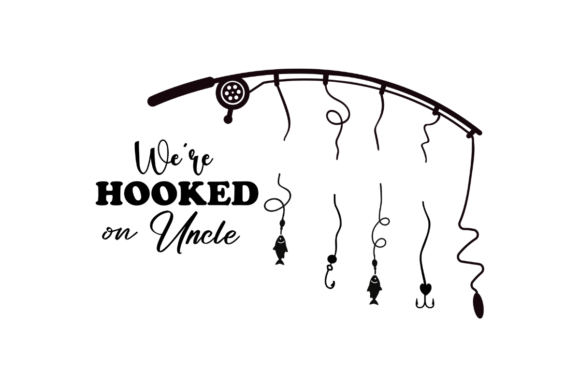
In the modern era of crafting, entrepreneurship, and personalized gifting, the barrier to entry has never been lower. Whether you are a hobbyist looking to create unique holiday ornaments for your family or a small business owner aiming to launch a profitable line of custom merchandise, the tools at your disposal have evolved significantly. At the heart of this creative revolution is the digital cut file, specifically the SVG (Scalable Vector Graphics) format. When you purchase a design like "We're Hooked on Uncle," you aren't just buying an image; you are acquiring a versatile digital asset that can be transformed into tangible, high-quality products across a multitude of mediums.
This article explores the significance of digital download files, the technical advantages of vector formats, and how they fit into both personal creativity and commercial product lines. By understanding these concepts, you can maximize the value of your purchases and streamline your workflow.
Understanding the Digital Download Model
Before diving into the technical aspects of file types, it is crucial to understand the nature of the transaction. When you see a listing for a digital download, such as the "We're Hooked on Uncle" collection, it is important to manage expectations regarding delivery. No physical product will be shipped. Instead, what you receive is immediate access to a zipped folder containing high-resolution digital assets.
This model offers several distinct advantages:
- Instant Gratification: There is no waiting period for shipping. Once payment is processed, you can begin your project immediately.
- Unlimited Reproduction: Unlike a single physical item, a digital file allows you to create as many copies as you need, limited only by your material costs and time.
- Cost-Effectiveness: Digital files are generally more affordable than pre-made physical goods because you are paying for the design expertise rather than manufacturing and logistics.
The package typically includes a variety of file formats to ensure compatibility with different software and hardware. Common inclusions are SVG, Transparent PNG, JPG, and EPS files. Each serves a specific purpose, which we will explore below.
The Power of SVG Cut Files
The SVG (Scalable Vector Graphics) format is the gold standard for cutting machines and digital design. Unlike raster images (like JPEGs or PNGs), which are made up of pixels and become blurry when enlarged, vector graphics are mathematically defined. This means you can scale an SVG from the size of a postage stamp to the size of a billboard without losing any quality or sharpness.
For users of electronic cutting machines—such as Cricut, Silhouette, or Brother ScanNCut—the SVG file is essential. These files contain paths and nodes that tell the machine exactly where to cut, draw, or score. When you upload an SVG into your cutting software, you can manipulate individual elements, change colors, resize components, and layer designs with precision. This makes the SVG cut file perfect for all your DIY projects or handmade business product lines.
Other Essential File Formats
While SVG is king for cutting, other formats in your downloaded zip folder serve different needs:
- Transparent PNG: This is ideal for printing on light-colored materials or for use in graphic design software like Photoshop or Canva. The transparent background ensures that no white box surrounds your design, allowing it to blend seamlessly onto mugs, shirts, or cards.
- JPG: A standard raster image useful for quick previews or simple printing tasks where transparency is not required.
- EPS: Often used by professional graphic designers and print shops, EPS files are another vector format that ensures high-quality output for large-scale printing.
From Digital File to Physical Product: Practical Applications
One of the most exciting aspects of owning a digital design file is the versatility of its application. The "We're Hooked on Uncle" theme, for example, suggests a fishing motif, which can be adapted for various occasions and audiences. Here is how these files translate into real-world products:
Apparel and Accessories
T-shirts remain one of the most popular items for DIY enthusiasts. Using heat transfer vinyl (HTV) or sublimation paper, you can transfer the SVG design onto cotton blends, polyester, or performance fabrics. Beyond T-shirts, these designs work beautifully on tote bags, baby onesies, and even socks. For a handmade business, apparel offers a high perceived value and broad appeal.
Home Décor and Woodworking
Wood signs are a staple in the farmhouse and rustic décor trends. By using the SVG file to guide a laser cutter or a CNC router, you can create intricate wood signs that feature layered depth and texture. These make excellent housewarming gifts, wedding favors, or permanent home decorations. Additionally, tumblers have seen a surge in popularity. Using sublimation techniques, you can wrap the design around stainless steel water bottles and coffee mugs, creating durable, dishwasher-safe products.
Seasonal and Party Items
The flexibility of digital files shines during holidays and special events. You can easily adapt the design to create:
- Ornaments: Laser-cut acrylic or wood ornaments are perfect for Christmas trees or Father's Day gifts.
- Cards: Use the design as a focal point for greeting cards, utilizing die-cutting machines to add dimension.
- Party Décor: Create custom banners, cupcake toppers, and gift tags to match a fishing-themed birthday party or a family reunion.
Building a Sustainable Handmade Business
For those looking to turn their passion into profit, digital files provide a low-risk entry point into the e-commerce space. Platforms like Etsy, Shopify, and Amazon Handmade allow creators to sell physical goods made from these digital assets. However, success requires more than just having the file; it requires understanding market trends and adding value.
Niche Targeting: The "We're Hooked on Uncle" design targets a specific demographic: fishing enthusiasts and families. By focusing on niche interests, you can attract dedicated customers who are passionate about their hobbies. This specificity often leads to higher conversion rates compared to generic designs.
Product Diversification: Don't limit yourself to one product type. If you have the SVG file, experiment with different materials. Try printing on canvas, engraving on leather patches, or embossing on paper. This diversification keeps your inventory fresh and appeals to a wider range of buyers.
Common Misunderstandings and Best Practices
As with any new skill, there are common pitfalls to avoid when working with digital cut files.
Misconception 1: All Printers Are Equal
Not all home printers produce high-quality results for craft projects. For crisp edges and vibrant colors, invest in a good quality inkjet printer with photo-quality settings. If you are sublimating, ensure your printer uses sublimation ink and your heat press reaches the correct temperature and pressure.
Misconception 2: One Size Fits All
Just because a design looks good on a T-shirt doesn't mean it will look good on a mug. Always test your designs on scrap material first. Pay attention to the level of detail in the SVG; overly complex designs may not cut cleanly on smaller items like ornaments or stickers.
Best Practice: Organize Your Files
Create a dedicated folder structure on your computer for each design you purchase. Include subfolders for "Cut Files," "Printables," and "Inspiration." This organization saves time when you are ready to start a new project and ensures you don't lose access to your valuable digital assets.
Conclusion
The transition from digital idea to physical reality is smoother than ever thanks to technologies like SVG cut files. Whether you are creating a heartfelt gift for an uncle who loves fishing or building a thriving online store, the right digital assets empower you to bring your vision to life. Remember, the key to success lies in understanding the tools at your disposal, experimenting with different materials, and always prioritizing quality in your final products.
By leveraging the versatility of SVG, PNG, JPG, and EPS files, you unlock a world of creative possibilities. So, unzip that folder, fire up your cutting machine or printer, and start making something truly special today.