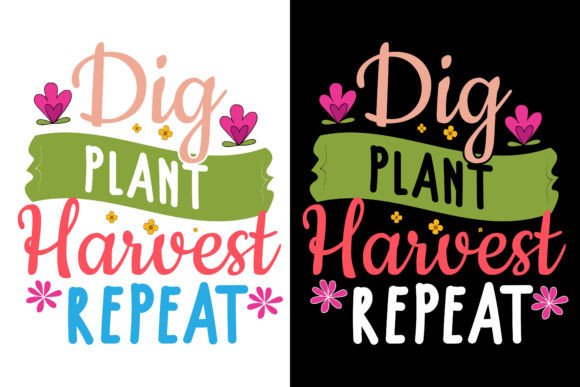
The Strategic Appeal of "Dig Plant Harvest Repeat" in Modern Print-on-Demand Ecosystems
In the rapidly evolving landscape of digital content creation and print-on-demand (POD) entrepreneurship, success often hinges on the ability to identify and capitalize on micro-trends before they become saturated. One such emerging niche is the intersection of sustainable living, horticultural therapy, and casual fashion. At the center of this convergence is the phrase "Dig Plant Harvest Repeat." This is not merely a catchy slogan; it represents a lifestyle philosophy that resonates deeply with modern consumers who value sustainability, self-sufficiency, and the therapeutic benefits of gardening.
For professionals, creators, and entrepreneurs looking to expand their product portfolios, understanding the cultural and commercial weight of this specific design concept is crucial. It offers a unique vector-based aesthetic that stands apart from generic stock photography, providing high-value assets for businesses aiming to serve green thumbs, eco-conscious parents, and hobbyist gardeners.
Understanding the "Dig Plant Harvest Repeat" Phenomenon
The phrase Dig Plant Harvest Repeat encapsulates the cyclical nature of organic gardening. Unlike traditional landscaping, which focuses on aesthetics alone, this mantra speaks to the production-oriented gardener—the individual who grows their own food, values seasonal cycles, and finds satisfaction in the tangible results of their labor. It is a rhythm that has been practiced for millennia but has seen a resurgence in popularity due to growing concerns about food security, environmental impact, and mental well-being.
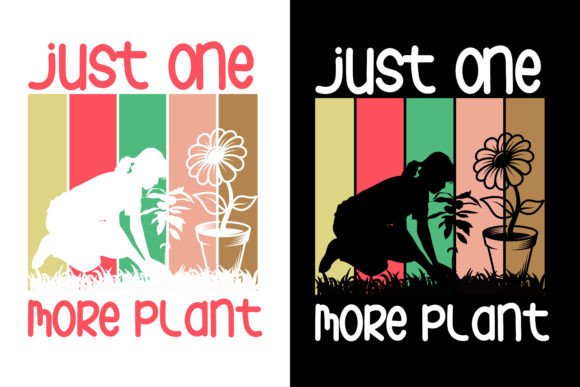
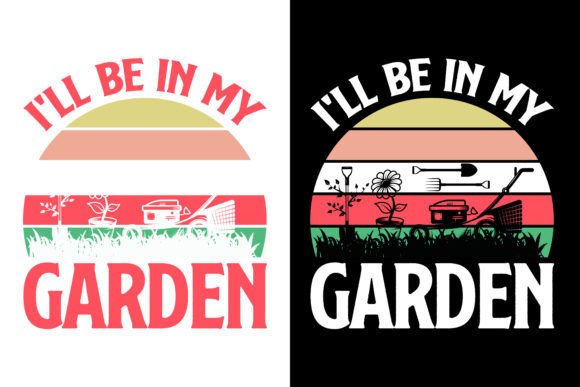
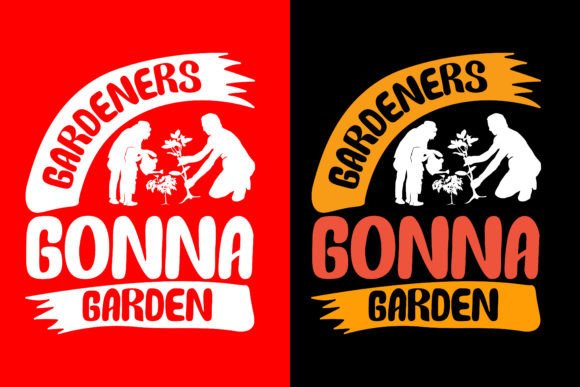
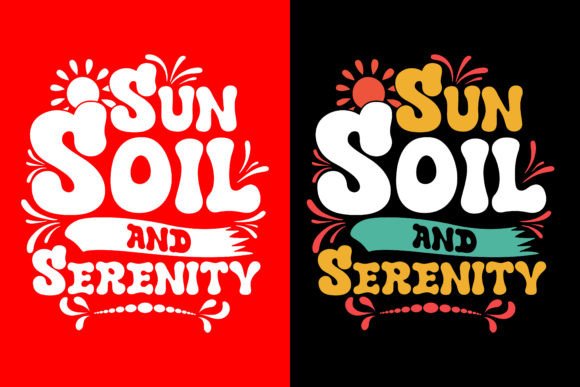
When applied to apparel, specifically targeting demographics such as mothers ("Mom shirt"), educators, or weekend gardeners, this design serves as a badge of identity. It signals pride in one’s connection to the earth. For POD sellers, the challenge lies not just in finding a quote, but in delivering a visual representation that feels authentic, modern, and professionally crafted. This is where the distinction between using low-quality stock images and utilizing unique vectors becomes critical.
The Competitive Advantage of Vector-Based Design in POD
A common pitfall for new entrants in the print-on-demand space is relying on rasterized stock photos or low-resolution clip art. These assets often suffer from pixelation when scaled up, lack versatility across different printing methods, and fail to convey a sense of originality. In contrast, designs built on unique vectors offer distinct advantages that align with professional business standards.
Vector graphics are mathematically defined, meaning they can be scaled to any size without loss of quality. This scalability is essential for a versatile product line. Whether the design is printed on a small coffee mug, a large tote bag, or a standard t-shirt, the lines remain crisp and clean. Furthermore, vector files allow for easy manipulation of colors, ensuring that a seller can adapt a single design to match current color trends or specific brand palettes without needing to redesign the artwork from scratch.
By choosing a product that features unique vectors rather than stock photos, entrepreneurs are investing in intellectual property that feels bespoke. Consumers today are increasingly discerning; they can often tell the difference between mass-produced imagery and thoughtfully designed graphics. A unique vector design suggests care, intention, and quality—attributes that justify premium pricing and foster customer loyalty.
Technical Specifications and Workflow Integration
For the technical entrepreneur or the graphic designer integrating these assets into their workflow, the format of the digital file is paramount. High-quality digital products should provide comprehensive compatibility with industry-standard software and hardware. The ideal package for a "Dig Plant Harvest Repeat" design includes a robust suite of formats tailored for various applications:
- Editable EPS File: Essential for professional designers using Adobe Illustrator or CorelDRAW. This format allows for deep customization, enabling users to modify text, adjust spacing, or integrate additional elements while maintaining vector integrity.
- Transparent PNG File: A high-resolution 300dpi PNG is the workhorse of the POD world. Its transparency ensures that the design blends seamlessly onto any background color during mockup generation or direct upload to platforms like Etsy, Redbubble, or Shopify.
- SVG File: Crucial for users of cutting machines such as Cricut or Silhouette. SVG files allow for precise cutting of vinyl decals, stickers, and iron-on transfers, opening up revenue streams beyond traditional screen printing.
- JPEG File: Provides a universally compatible raster image for quick previews or use in platforms that do not support vector uploads.
- Mockup File: Includes realistic preview images that help marketers visualize how the design looks on actual garments, streamlining the marketing process.
This multi-format approach ensures that the asset is not limited to a single use case. Instead, it becomes a versatile tool that can be deployed across multiple channels, maximizing the return on investment for the purchaser.
Market Trends Driving Demand for Gardening Apparel
The relevance of the "Dig Plant Harvest Repeat" theme is supported by several macro-level trends reshaping consumer behavior and market demand.
The Rise of Sustainable Consumerism
Consumers are increasingly aligning their purchases with their values. There is a growing segment of the population that prioritizes sustainability and environmental stewardship. Wearing a shirt that promotes gardening and harvesting is a subtle yet powerful statement of support for local food systems and reduced carbon footprints. This alignment between personal values and public expression drives engagement and sales.
The Post-Pandemic Hobby Boom
Since 2020, there has been a sustained increase in interest in home gardening, cooking from scratch, and DIY projects. As people spent more time at home, many rediscovered the joy of cultivating plants. This shift has created a durable market for gardening-related merchandise. The "Mom shirt" category, in particular, has seen significant growth, as mothers often seek clothing that reflects their multifaceted roles—including nurturing a family and a garden.
The Creator Economy and Personal Branding
In the age of social media, personal branding extends to what we wear. Influencers, bloggers, and content creators in the gardening niche look for apparel that is photogenic, shareable, and representative of their content. Unique, trendy designs stand out in feeds and attract followers who resonate with the aesthetic. For POD sellers, creating designs that cater to this visual-first culture is key to viral potential.
Practical Applications Beyond Apparel
While t-shirts are the most obvious application, the utility of the "Dig Plant Harvest Repeat" digital design extends far beyond clothing. Entrepreneurs should consider the broader ecosystem of printable and cuttable goods where this design can thrive:
- Printable Decoration: Homeowners and renters alike enjoy adding personalized touches to their living spaces. High-quality prints of this design can be used as wall art, kitchen decor, or greenhouse signage.
- Vinyl Decals and Stickers: With the rise of laptop and water bottle customization, vinyl decals featuring gardening motifs are highly sought after. The SVG format makes this an easy entry point for sellers equipped with cutting machines.
- Cards and Invitations: Garden-themed parties, bridal showers, or community events often require specialized stationery. This design can be adapted for invitations, thank-you cards, or event programs.
- Scrapbooking and Journaling: Hobbyists who document their gardening journeys appreciate unique elements for their scrapbooks. Digital stickers derived from the vector design add a professional touch to these personal projects.
Strategic Considerations for Digital Product Sellers
Selling digital products requires a different mindset than selling physical goods. Since no physical item will be shipped, the focus must be on the clarity of the listing, the quality of the download, and the ease of use for the customer. Sellers must clearly communicate that this is a digital product requiring immediate download after payment confirmation. Transparency reduces customer service inquiries and builds trust.
Furthermore, marketing efforts should emphasize the uniqueness of the vectors. Highlighting that the design is not a stock photo helps position the product as a premium asset. Educating customers on how to use the various file formats (EPS, PNG, SVG, JPEG) adds value and empowers them to utilize the design fully. Providing tutorials or guides on how to upload these files to POD platforms can further enhance the customer experience.
Conclusion
The "Dig Plant Harvest Repeat" gardening design represents more than just a trend; it is a reflection of deeper societal shifts toward sustainability, mindfulness, and creative expression. For professionals and entrepreneurs in the print-on-demand space, leveraging unique vector-based designs offers a competitive edge in terms of quality, versatility, and market appeal.
By understanding the technical specifications, recognizing the broader cultural context, and exploring diverse applications beyond apparel, sellers can effectively tap into the growing market of green thumbs and eco-conscious consumers. Whether used for clothes printing, vinyl decals, or digital decorations, this design provides a solid foundation for building a profitable and meaningful brand presence in the digital marketplace.
As the demand for authentic, high-quality, and purpose-driven content continues to rise, those who invest in superior digital assets like unique vectors will be best positioned to meet the evolving needs of their audiences. The cycle of digging, planting, harvesting, and repeating applies not only to gardens but also to the iterative process of creating successful digital products.